Failure or Success? 5 Biggest Lessons From My Masterclass Experience
Wow!
5 days ago I put on my first ever masterclass. As soon as it ended, I cleaned up the house and we hosted two families for dinner. The next morning we flew to Wisconsin to spend time with family! It's been a whirlwind - but it's time to debrief!
If you've ever wanted to do an online masterclass, market your expertise, or get paid for what you know - this email will be helpful. I'll share my 5 biggest takeaways from hosting the masterclass. I learned a lot more than the people who attended! Which, sorry, but also, that's the whole point of doing things for the first time.
If you are a reader, this email is for you. If you'd like to watch or listen, I just put an extended debrief on my podcast.
You can watch it on YouTube here: https://www.youtube.com/watch?v=07WbvVVyL1U
Before I share the lessons learned, I'll share a quick recap of the masterclass:
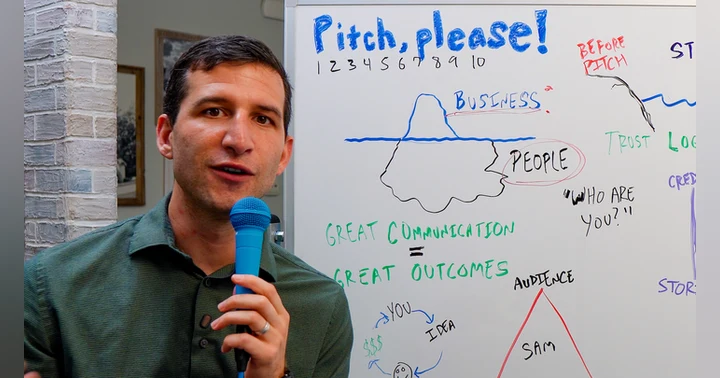
Great communication creates great outcomes. And when you combine that with digital platforms then it compounds those great outcomes. Podcasts are a flexible way for you to package your message to build trust with your clients, while also setting you apart from your competitors. And you don't need to worry about being the best communicator, just be someone who shows up consistently with a consistent message.
Simple enough, right? Now - let me share with you stuff that wasn't so simple. Here's 5 of my biggest takeaways from hosting the masterclass.
Branding is everything.
I wrestled with how to title this masterclass. Since this was my first one, I took 3 of my specialties and crammed them together: communication, podcasting, and business growth. I threw out several titles, like "How to Grow Your Business With a Podcast" or "Double Your Revenue With a Podcast." None of them really stuck with me but I had to pick one. Next time, I won't start marketing the masterclass until I have a SOLID title.
Marketing is also everything.
A masterclass is like a book. If you write it well, millions of people will read it and be impacted. Or like a great band, they can play the same songs every night and people will enjoy it. But you have to market. No one will break into your house, steal your book, and put it into people's hands.
For me, I marketed at in-person events, social media, my podcast, and my YouTube channel. I had 51 registrants, 35 showed up, and 28 stayed till the end. For reference, the average free virtual event has about 30% show-up rate. So we did great!
Next time, I will post more. I'll post earlier and address the problem. For instance: "is your business getting attention but you're not getting clients?" This makes people problem aware, and then as I get nearer the event, make them solution aware: "I HAVE THIS MASTERCLASS COMING UP that will solve your problem that I just made you aware of!"
TALK ABOUT LOGISTICS!
At one point, I had 35 registrations and NO ONE had a Zoom link or a calendar invite. I learned how to use Kit.com for emails, use Zoom to host, and Google Calendar to publish the event so people could add it to their schedule. I learned a lot. And I'll be doing it differently next time.
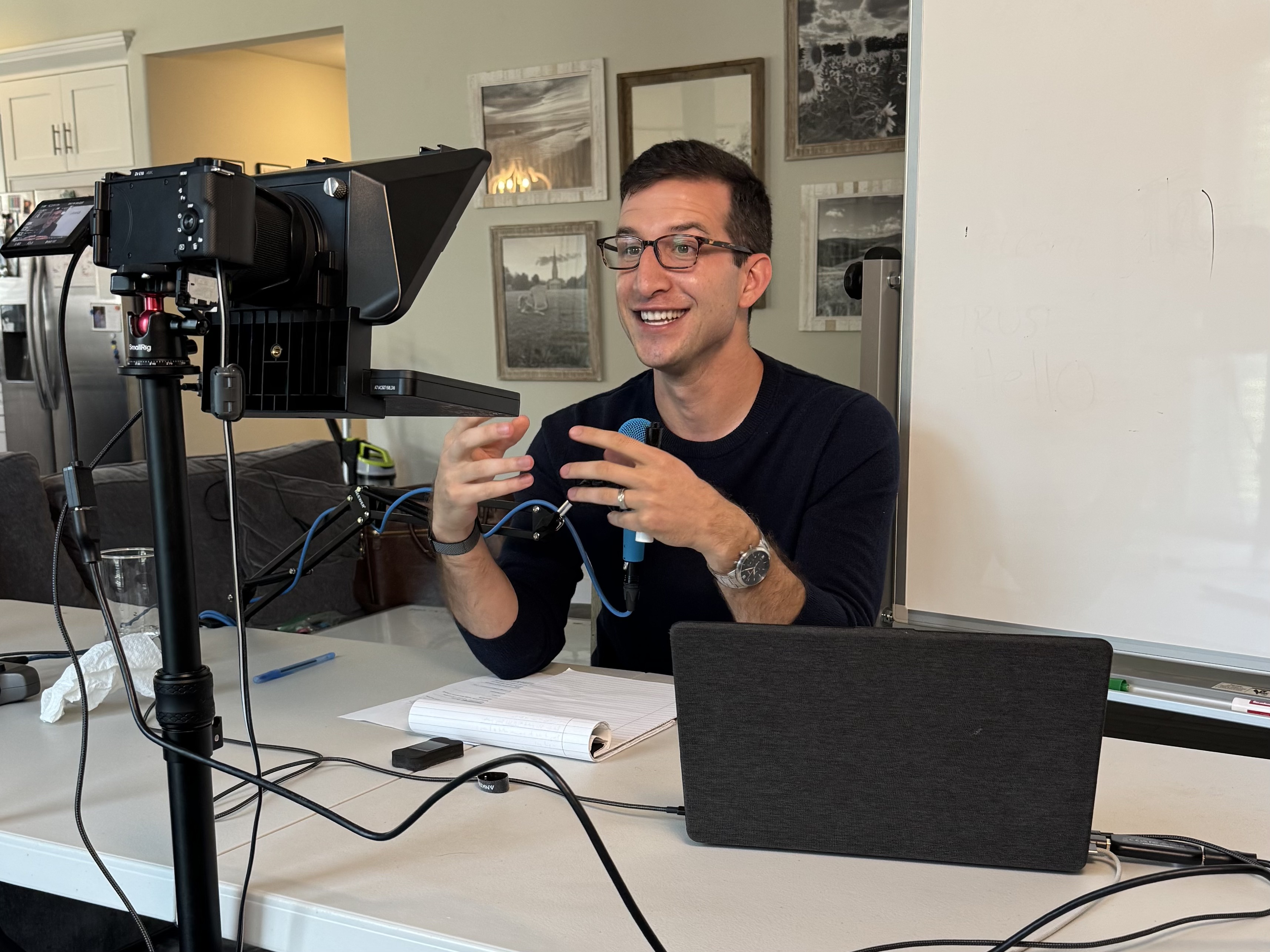
I needed to make sure the countdown video worked, make sure the intro was great, and that the Zoom settings matched for Q&A. I needed to make sure people got emails the day of, the day before, and the week of. I wanted to confirm people could see my whiteboard, my slideshow, and my fancy camera.
Next time around, I can plan better because I know what is included. But if you do one for the first time, give yourself a buffer for logistics.
Content is one thing, sequence is another.
The one thing I would improve about the whole masterclass is how I designed it. Unexpectedly, a lot of my preparation for the masterclass was marketing and making sure it worked. I knew what I wanted to talk about, but I was still unsure HOW to talk about it.
When the countdown was happening, I was asking myself: "how do I want to present this again?" That's not a good feeling before a presentation. I'm not sure what to attribute this to. I've given hundreds of presentations, but for this one, I would feel writer's block. I had a slideshow, I had main points, and I had a whiteboard. But I didn't feel like it was structured the best.
In the future, I won't commit to a 90-minute masterclass. I will start with 45 minutes and have a simple 3-point structure.
Lastly, do you remember my offer at the end?
Masterclasses are a way to build trust. Many entrepreneurs use them to share their ideas, educate people on their services, and lay out an argument for why they make sense. They're a combination of education, sales, and entertainment. And at the end there will be some type of offer.
For my masterclass, I offered a Podcast Blueprint. It's $497. I even created a landing page for it here. The best masterclasses will have people thinking "yes! that's a no-brainer!" by the time they get to the offer. I am not in that category yet, but I still wanted to practice giving the offer.
Today, nobody has purchased the Podcast Blueprint. Initially, I felt a tinge of embarrassment. "Ahhhhh... why did I even include it? It would have felt much more altruistic had I kept everything free." and then I felt, "maybe it was too expensive. Ahhh, why did I make it that price? People may think I'm trying to rip them off..."
Those fears can linger because I cannot control people's perceptions. But, I can control my preparation. I can structure it better, I can preview it better, I can give people time on the class to actually fill the form out. I can ask people in the chat if they did it, I can ask the people who did it to share why. There's a million and one ways it could go better. And now I know that! yay for feedback!
Chris

Host
Chris Miller is a communication coach who's spent his career studying one question: why does some communication create outcomes, while other communication goes nowhere? He's coached executives and business owners through over $30 million in high-stakes pitches — and on Talk to People, he sits down with people who know how to actually connect, to find out what they do differently.
How to Sell Anything to Anyone (10 PART SERIES)