
How Humility Changes the Way People Respond to You, ft. Sean Richards | Ep. 32
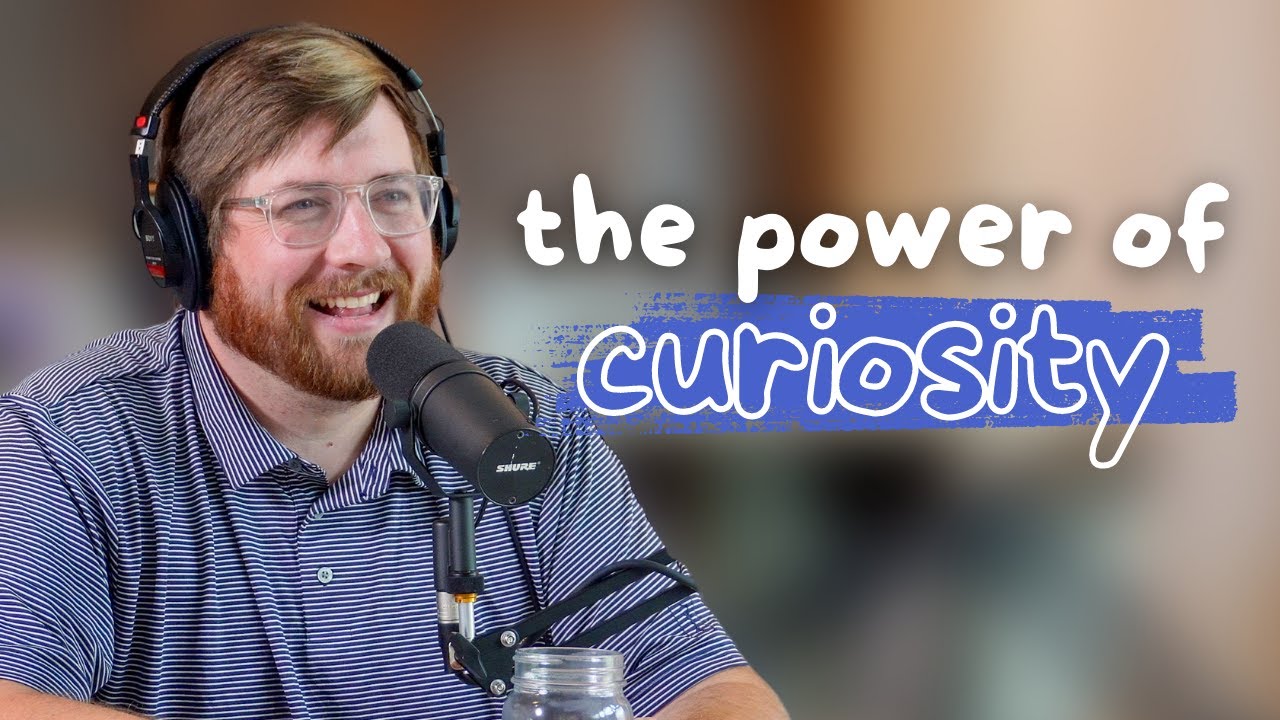







Sean Richards is a servant leader, a Sr. Account Manager with The Purpose Company, and the Lead Pastor at Open Door Church.
Sean is wired towards people. Rather than finding meaning in money, career, or entertainment, he believes that focusing on relationships results in a fulfilled life. With a background in communication and business, he is fascinated by the psychology of the individual and how humans relate to each other.
Sean will contribute a lot to the field of social connection and bringing others together. I'm grateful that I was able to get him on the podcast to reflect on what matters in relationships, how to improve the ones we're in, and the joy of being passionate about people.
In this episode, we discuss many things, including:
- how to navigate disagreement in relationships
- the power of intellectual hospitality
- the hardwire nature of people that leads them to connect with others
- when to call yourself an expert
- why writing a book isn't always the answer to adding value
- what relational humility looks like when it's showcased well
- the power of critical thinking
- how to find mentorship, even if it isn't easy
I hope this episode encourages you to relentlessly find a mentor. We often hear the quote, "you're the product of the five people around you." That can be hard to hear, but it's a lot better when we get to choose those five people. Choose good ones.
Below is a blurb that I had ChatGPT write. It contains a ton of keywords, so you can skip it! - it's just hanging out for the SEO machines:
The Talk to People Podcast is a resource for personal development and building meaningful relationships. In a world grappling with the loneliness epidemic and friendship recession, we are here to guide you on a transformative journey towards overcoming isolation and cultivating a thriving social circle. With different guests, we explore the art of building relationships and mastering communication skills, providing you with actionable tips to become a better communicator. Through insightful conversations and fun solo episodes, we uncover the secrets to making friends and overcoming loneliness. Listen to feel better approaching conversations with confidence, even with strangers. Discover the power of asking better questions and gain valuable insights into how to navigate social interactions with ease. Through our storytelling episodes, we invite you to share your experiences and connect with our community. Together, we aim to overcome social isolation and create a supportive network of individuals seeking genuine connections. Tune in and embark on a journey of connection.
An easy way to send me a message? Click the link here.
Have you enjoyed the podcast? If so, follow it, rate it, and share it with three people:
- Follow on Apple Podcasts
- Follow on Spotify
- Follow on Instagram
- Subscribe on YouTube
If you want to share feedback, have a great idea, or have a question then email me: talktopeoplepodcast@gmail.com
Produced by Capture Connection Studios: captureconnectionstudios.com
Chris: Now, before we hop in, I want to say a happy birthday to Annie Miller. Today is her birthday, July 30. I'm recording this now. It's going to go live tomorrow. But I just want to say thank you. She was podcast guest number one, and then I had her on after we got cameras. And I also want to say thank you to all of the listeners, all of the guests that have made this show what it's become. It is growing. And I'm really excited to see that. I have no intention on giving up or letting the ship go. It's going to continue to grow. So thank you for being here. Thank you for making the show what it could be. And I hope you enjoy this episode.
Sean: Humility is not thinking less of yourself or more of yourself, but it's just thinking of yourself less. When you actually make life about others and not yourself, it becomes much more rich, much more fulfilling, much more rewarding. And I think there's something naturally woven into us that makes it that way.
Chris: Welcome to the Talk to People podcast, a weekly podcast where I get to sit down with a new person to explore how they got from where they were to where they are now, and how they used relationships, conversations, and community to improve their life. The whole purpose of this podcast is to encourage those who listen to and connect with those around them. I firmly believe that life is better when you talk to people and that everyone around you. Is a new walking library, a collection of stories that not only can we learn from, but we can be inspired by and contribute to. This week I get to talk with Sean Richards. Now, Sean and I sat down and got coffee a little while back, and whenever I sat down with him, I got anxiety. And it's nothing against Sean. It's just everything he said rang true to me. And it was one of those things where someone would say something and you're like, get out of my head. Well, that's what happened with Sean and I. So we started to get to know each other a little bit more. And since then, I can just hear we're speaking the same language. Relationships weigh on his heart. So in this episode, we talk a lot about that. For instance, we explore this concept of relational generosity and relational hospitality and having intellectual humility. And whenever you have conversations from two different viewpoints, what it looks like to still be hospitable, yet also navigate disagreement. This was a really cool opportunity for us to kind of geek out, but, uh, also be a bit analytical whenever it comes to interpersonal dynamics and social dynamics. I didn't even mention this, but Sean's involved in ministry. He's in the professional world. He knows a lot about a lot. So I got to scratch the surface. I hope to see Sean on again, but in the meantime, I hope you all enjoy this episode. Hey. What's, uh up, Sonny? Okay, well, you are officially live in the dining room studio. Mr. Sean Richards. How are you?
Sean: Great.
Chris: I think there's been many people that have sat in the chair and gotten up from the chair after the podcast. And whenever I ask them, who would be good on this podcast? Why does your name keep popping up? He does that. He hates podcast.
Sean: Star of the show.
Chris: He hates them.
Sean: Um, I didn't know how he felt about me when I came in, but now he's oh, yeah.
Chris: It's people who sit down, and they don't focus on him at all. Hey, amazing Sonny. Come here, Bo. Okay.
Sean: I love dogs, by the way.
Chris: Okay, that's good, because I've had some people on. I feel like I need to put it on my guest thing as like, do you like dogs? Because if not, I'll have you won't come back. Partially that, but I will have people watch him. But the idea is, if you don't like dogs, this may not be the best fit for know. So why would people keep telling me, get Sean Richards on the show?
Sean: No idea.
Chris: Yeah. What do you think about the premise of the show?
Sean: I mean, people are the greatest part of my know. When it boils down to things and accomplishments and mean, all of that really means very little unless you're doing it alongside the people that you love and care about. Um, obviously, my wife is very important to me, and, um, my friends, people I get to serve, people I've gotten to know. I mean, I think one of the things that has been really unique for me is just that I have had the opportunity to have a really wide network of relationships as well as a very deep network of relationships. And so people are really important to me.
Chris: Yeah. How do you do wide and deep? Because I can get deep a little bit, but it's tough to walk that balance.
Sean: Yeah. Um, I think it's somewhat of a, uh, nature and nurture reality. I think I'm hardwired to be oriented relationally. I have a lot of dude friends who, when I get around them, they're very task oriented individuals. They're driven or they're focused, but typically it's around getting things done or, um, doing a project. Not necessarily something that's, like, collaborative in nature, but something that's more of a passion project or something more not necessarily individualistic in a bad way, but just something that's more like their hobby. And they tend to kind of do that on their own terms. I've always been people first. Um, and so I've also just kind of had an extreme level of curiosity with the people that I'm around. So I've always been drawn to all kinds of people. Um, always. Um I mean, obviously, if I try to psychoanalyze my childhood, that's a little bit challenging to think about. But I was always like I remember even in high school, I always tried to position myself as a kid who could be friends with anyone, so I could relate with those who were in all different kinds of crowds. And I really enjoyed that because from a young age, I found a lot of fulfillment in being able to be a friend to someone who, um, just needed a friend, whether that was they already had friends or they didn't. I just found a lot of fulfillment. And that really, um, was pretty natural for me. So, um, I think that developed, obviously, um, just as I grew older and I got to just m kind of expand my network. But relationships have always been like, even when I went to college, relationships, friendships, that was like, my focus. I remember even when I was choosing my major, I intentionally chose my collegiate major based on what would give me the most time availability outside of school to have relationships. I chose.com studies because, as you may.
Chris: Know, a lot of people choose studies whenever they don't know what to choose. It's funny, our major would brag about having the most athletes, and it's like, um, I don't know if that's something to hang your hat on, right? Because people who are interested in playing professional sports may not be too critical about what they choose. They may be choosing it out of convenience. And I'm similar, I find. I remember at recess, I really looked forward to recess. I loved playing soccer, I loved being active. But a big reason why is because I got to talk. It was like the social wild west, the new frontier. As soon as I ate my lunch, and I would drink 2% milk in the little carton, and then I had to run one lap. And when I ran one lap, I got to, uh, get one popsicle stick with green paint on it that I got to turn into the teacher at the end of recess. But running one lap indicated to me, now you're free to do whatever you want. You go on the playground, you can go play Tetherball.
Sean: Tetherball? That's right.
Chris: Which I have not seen Tetherball in a really long time.
Sean: It's still out there.
Chris: It's still out, uh, there for sure. I bet you there are some pretty passionate Tetherball communities, but I would go and just start talking to people on the playground, wherever yet there was. My middle school. I do kind of see a slump. And I also see that's whenever I got really into video games, I also had some friends who that's whenever people start doing the stereotypical juvenile behavior of staying up till 02:00 a.m to play video games or watching movies you're not supposed to watch or dabbling in the liquor, uh, cabinet. And thankfully, I never got into that too much. Yet I still can. Whenever I look back, I can see I wasn't too passionate about people then. And then something happened at high school. And for me, a big impact was youth group. I started going to youth group. I wasn't really raised in church. My mom went to church every now and then, but she also worked on Sundays a lot. So Braxton, um, he became my best friend at the time. He was, like, a good really? Braxton. I have an interesting story. There was a Rubik's Cube in our math class, and everybody was just messing with it. And we handed it to Braxton. And Braxton put it under the table, and I was like, what's he doing? And he pointed at the teacher like, hey, look at the know. And then a minute later, he brings it back up and it's solved. So after that class, I was like, I need to talk to this guy. It turns out his dad is a pastor for a church that's in Tulsa. And he starts inviting me to youth group. And initially, I went for Ping Pong and I went for girls in free food, those three things. But after a while, the messages, I just started paying a little bit more attention. I started reading the Bible more, and I feel like that collides with repassion, uh, or, like, the rekindling of being passionate about people. So it's, like, interesting for me to look back on.
Sean: That's awesome.
Chris: Yeah.
Sean: When I was 14, um, I have a couple of cool stories, but when I was 14, my now sister in law, Corey, who at the time was sort of on and off dating my brother. Um, but eventually they got married. Um, she invited me out to a Monday, uh, night Bible study through Young Life when I was in high school. And, um, I was really interested in the things of God. My interest was piqued. I grew up Catholic, going through a Catholic school, and would, um, have said that there was some normalcy there. Like, God always had felt like a part of my life, but was never really, uh, embodied, um, through a community that really knew me genuinely. Uh, and so she invited me out. I went to camp, had an incredible experience. Um, one just growing closer with, uh, the guys that I went there with, the leaders that I was there with, and just, like, being really drawn into the amount of energy and life and fun that was happening in this one week of my life. And when they describe it as, like, the best week of your life, I mean, it really is true. And they do a great job going all out to make that the case for you. But ultimately, it was in that week where I, uh, accepted Christ into my life in a real way. And, um, for the first time, had really heard the news about who Jesus was and took, uh, that seriously. Everything changed from that point on. But when I went back home, I didn't really have community. I didn't really have anyone around me who was trying to live, uh, in the same way that now I thought life was supposed to be. So actually, high school was somewhat of, uh, a few years of kind of wandering in and out of different social groups, having some stable friends. And, uh, there was one group of friends that was a little bit older than me and they were taking their faith seriously. And I was always an insecure kid, like, I always felt insecure didn't matter which group I was around, I just felt like internally insecure, which I'm sure most kids at some level are all experiencing those internal thoughts. And it was this group that really showed me that they were all, uh, a sincere group of friends. And when I asked, I felt a little bit like I had to invite myself. But there was a little bit of this like they naturally knew how to be.
Chris: Yeah.
Sean: And it was through their hospitality that it really opened my eyes to the love of community. Right? And um, John Jesus says, you know, they'll know my love through your love for one another. Right. They'll know you're my disciples by your love for one another. And so I felt like that was kind of my first taste of that. And I got drew into their friends.
Chris: Um, 16 years old.
Sean: Yeah, it was between sophomore and junior year, and so they were all getting ready to graduate. Um, but that was kind of my first taste of real community, of people who believed in similar things that I believed in and really took the initiative to care for me. And so I feel like that marked me in a really significant way and it made me want to be that for somebody else. And pretty much since then, my whole life has been trying to be that for someone else in any moment or opportunity that I could be in. And so I've had a lot of different opportunities and that's had a different that's taken a bunch of different paths. But I think that that has marked me as, um, ultimately, how can I be that one person in another person's life to show them true, genuine hospitality in a way that can change everything?
Chris: M?
Sean: Because someone did that for me, mhm. And I highly doubt that they even know that they were doing that consciously. But it was the natural power of they knew that part of knowing Jesus was being hospitable. And so the overflow of that value, even from another teenager to me as a teenager, it profoundly marked me that's big time.
Chris: And the concept of hospitality is it transcends. I know some people listen and they're like, I'm not Christian. And I'm like, okay. But the concept of hospitality transcends Christianity, the idea of being able to take care of others. Now, for me, I'm largely inspired by biblical teachings and the example Jesus set forth in hospitality. Yet the idea of going above and beyond to create, like, a hospitable environment should be a pursuit that everybody has. I think that is one thing, regardless of where you are in life. I know most of my listeners are on the younger side of the house, and I think the majority of people are young. You're not really old old till you get to, like, 75 sure. So I'm calling everybody young. Here, take the compliment. I think that's one really good thing to work on is being hospitable and finding ways to create hospitality wherever you are. You don't have to have a ton of money. This is something that I learned whenever I got to know my wife was she would be really good at handwritten notes. She'd be really good at sending ah, sweet texts. She'd be really good at paying 750 for ingredients to bake a whole bunch of cookies that you could give to a whole classroom. So you don't have to be rich. But it's about being thoughtful. You said you wanted to be that person. Did you ever have issues finding people to pour into you because you were so thoughtful about pouring into other people?
Sean: Well, uh, like, uh, I said I would say, like, in my high school years, I didn't really have that figure. I had it in a few different ways and obviously retro, actively looking at your life and seeing how you're viewing it through the lens of your own teenager life, it's like, oh, I wasn't mature enough to see who was really investing me, who was really loving me at the time. And so I definitely know that there was some people who were, um, doing their best in attempting to open their life to me, to pour into me. But it was when I was 18. I was out at a camp for a summer in Georgia, and that's kind of like another pivotal moment for me where, when I was 14, I really made that first decision to accept the grace that God had for me and the love that he had for me and open myself up to that. But it wasn't really until I was like, 18 that I made this conscious choice of, I'm going to give you everything, no matter what that looks like, whether it's certainly going to be imperfect. But that was kind of my conviction, was I'm making a declarative decision that from here on out, I'm going to do my best to give you everything. And from that point forward, I realized that for that to be true, I know that I didn't have enough knowledge or wisdom or guidance within me. And so I was ruthless about seeking out people. And when I did, I would go to great lengths to help that be fulfilled. A lot of the mentors that I've had along the way, one of the things that I've done to serve that process is be the first one to take the step initiate. Yeah. To be the initiator in those relationships and to keep initiating and to put myself in their lives, um, as much as I could. Naturally, that made sense. I mean, obviously, if they were like, hey, it's time to go, it's like, be respectful, obviously, but to be willing to initiate. Because now on the other side of now pouring into people, the greatest thing you can be asked is someone to come up to you with a spirit of hunger and eagerness to be like, will you help me? Will you teach me something? Uh, will you walk with me and help me understand? Um, because that could seem like just an opportunity for the person who's getting poured into, but really, that's also just as good of an opportunity or great opportunity for the person who's pouring out. Um, so I would say I kind of acknowledged that pretty early on. And I had some pretty key moments of, um, people pouring into me that for some reason, I just was willing to not take no for an answer. And so I would just press and what I've realized as far as just building relationships in general, I think a lot of people have something in them that stop them, or, um, they get caught in their own head, or they think someone's thinking negatively about them, but oftentimes come to find out they're not thinking anything. They're probably thinking the same thing about themselves, about what you're thinking about them. For some reason, I just didn't have any inhibition to consider whether or not and didn't really have any fear of rejection. Just was willing to be like, Would you do this? And oftentimes found people were willing and they were waiting and looking for someone to come up to them with that spirit of energy and that eagerness and humility that's really special. Yeah. Um, it served me well. It's definitely one of those things that as I keep growing in life, as I keep getting older, I know that that will be something, a position that I'll take till the day I die. Because there's always going to be someone out ahead of you who can teach you something. There's always going to be someone out ahead of you in whatever it is. I just never felt like I had to posture myself or to kind of fake that I had it all together. I was very open and humble to just be willing to receive because I knew I would be much better for it than trying to position myself as someone who already knew it, they had it all or anything, because I was very aware that I didn't.
Chris: Yeah, I don't think we should ever position ourselves, like you said, as knowing it all. We can always learn from other people. But I've been wrestling with this concept, and we talked a little bit about this prior, but that moment, whenever you decide to label yourself as an expert in something because that's fairly symbolic, because of course, you can still learn from people. But for me, with the podcast, there's been a lot of times historically where I've approached people with the pitch of, hey, I'm really trying to get this thing off the ground. I really want this to be something that can help other people. And as I'm getting started, I'd love for you to help me. You have a really cool perspective. I'd love for you to be on the show and figuring out because I feel as if at some point I need to transition to the side of the house of like, hey, I have this podcast. I know a decent amount or some quantity that is worth listening to, of knowledge regarding these particular concepts. And that transition is hard.
Sean: Yeah, why so?
Chris: It's hard because you never really see people in between. It's not visible when people are in between. You either see people who are experts or you see people who are learning. And not many people vocalize being in between. It's cool whenever we get to see it. Like, I know a person who's been working on his band for, like, ten years, and they've been working and working and working, and just recently they became professional musicians. Now they don't have to work anymore on other things. It pays their bills, it pays them extra, and they're headlining their own tour. So it's so cool to see that, but it is not really talked about. Whenever you're in between, you see other people who are down here, or, uh, you see other people who are up here.
Sean: Right?
Chris: Yeah. When do I brand myself as an expert?
Sean: That's a great question. Somewhat of a subjective term. It's not totally an objective term, but I think why the term can be productive for people is because oftentimes people don't really know what other people have going on. And so when you give them a category to think about who you are, um, which oftentimes they're not going to have enough time, uh, or space, or they're just not going to take the initiative to kind of hunt down whether or not that's true. So I definitely think you don't want to just position yourself as somebody who's not genuine or authentic. And I know that's really important, um, being authentic. Um, but I'm sure if you speak to anyone who's an expert, they understand that they have way more to learn. Um, I saw this graph the other day that was kind of highlighting that actually, the smartest people in the room typically understand more of what they don't know than what they do know. And most people would understand them to know way more than what is known. And so it's a little bit of like, uh, the smartest people actually observe that they're conscious of how much they actually have no clue about. And, um, it's their brilliance that allows them the ability to see how much that they actually don't know. Um, so I think being an expert comes down to do you have experience, knowledge, skill in an area where you can provide genuine value and help to someone else? Using the label expert depends on what it is. Um, if you're talking to a stranger, um, that label could be potentially helpful. Um, and specifically, if you're not using it to somehow be boastful, it's not necessarily something that you are using to kind of create some kind of social hierarchy or some power statement where you're wanting to lord something over someone. Well, it's like, hold on, right? If you were in a group of friends and they were all talking about some social situation, you're like, hey, I'm an expert here. Hey, no one's asked me. I'm the expert. That wouldn't really be a useful way to utilize that, um, because everyone has something to contribute. And so I think it just kind of depends on kind of the area of focus and what that looks like. So I guess it's hard to determine. I know people who, um, I work with people who are helping individuals, uh, brand themselves as experts. And they are looking to draw out in people their expertise, the things that they've cultivated, whether it's through their natural skill sets or through, um, their development, their origin story, and how they've developed, um, through their lives, as well as those skills that they've acquired along the way. All of those things can compile someone into, um, an expert. But I think you also have to be I think it's appropriate to be somewhat cautious with it. Mhm, but also, um, me too, because.
Chris: It'S different when you think about it. What fields do you have expertise in? Whenever we think about it that way, it's much more relatable. Rather than being like, I'm an expert, you must listen, but saying, I've done this for a few years, so I have some expertise here. I've done this for a few years, so I have some expertise here. But, uh, our brains really like that simple. Dr. Shannon Gray a, uh, relationships expert.
Sean: Yeah.
Chris: Seeing that and being like, oh, I want to read her book because she's a relationships expert versus Dr. Shannon Gray. She has this study, so it gives her a little expertise in relationships. And I have a hard time with playing the game of what works with our brains. For instance, thumbnails on YouTube, someone would be like, with a big old smile and like, wide eyes. And I sit here and I'm thinking about imagine our podcast, right? I would have to pick one thing and have like, wide eyes. You would never believe what this guy said about this, right? And then they click it and it's an hour and 15 minutes of all of this stuff.
Sean: If there's not a thumbnail like that on this YouTube video, I'm not watching it.
Chris: I can figure something out.
Sean: But we'll hire someone off fiver and it'll be great.
Chris: Yeah, my friend did that and he's doing well on YouTube. So there's something to look into regarding thumbnails titles too, right? Like figuring out how to use titles. And I have a hard time I have a friend and he's talking to me about it. He says, Dude, you have to play the game. You don't have to compromise yourself or feel as if you're going back and forth in your principles. Obviously don't renege on your principles or anything like that, but know that initially you need to play the game that exists so that one day you can create a game that doesn't exist, that's you mhm. And I have a hard time with that.
Sean: Yeah, I think you said it well, in regards to naturally, when someone positions themselves and you have no other context for them, it's helpful because it at least gives them credibility. Uh, and authority, which can be dangerous, because if they have something harmful to say or negative to say, then you have to be, um I mean, a whole subject we could talk about is critical thinking. Because I think that's an area that I think is really necessary and something that's being lost currently in the culture of just knowing how to critically think. Um, but yeah, when you're on an airplane and someone's passed out or someone's in danger or physical, what do they ask? Doctor, is there a doctor on the plane? Right? And you hope someone springs up and says, I'm a doctor. Because in that moment, no one cares who that person is. But there is something that needs to be taken, uh, care of. Yeah. And you want to find someone who's qualified to do that. And so I think you don't have to be so much afraid of the label if you can provide the value behind it. Meaning I think the market will weed you out and humanity will weed you out. If you go around saying you're an expert at XYZ thing, but you provide zero value, you're going to get kind of laughed at and most people are going to just ignore you. And so I think naturally it'll work itself out. And so I think not being so caught up and what I love about the idea of well, maybe not love the idea of being an expert, but I think seeing the best of what you have to bring to the world as a responsibility because it takes it out of seeing it as this is about me achieving something for me, but this is actually me living it to my full capacity is actually about being a steward and, uh, responsible of the thing that I have to give that's going to help other people. And so yeah, I mean, if you're at a dinner party and someone really is really concerned about you calling them Dr. So and So, that's kind of know, it's like, did. They earn, you know? But if it's like your friend Joe, it's like, maybe chill out.
Chris: Kills the vibe.
Sean: Yeah, it's like you want a doctor to be a doctor when you're on a surgeon table. And then when you're not, you're fine just being friends or just being like fellow humans. I think that expertise component is about what's necessary and why someone needs that. Because, again, no one wants to be the first surgery of a doctor. You want to be the 1000th surgery of that doctor's experience. And the reason is because the credibility just, um, at least it brings comfort, it brings more. Um, and sometimes I think that people need that. People have something to provide. And for some reason, we're unwilling to lend our ear or lend our understanding unless they have some kind of credential by their name. Uh, the flip of that, though, is that sometimes people have no credentials by their name, but they might have so much value to bring, and so not writing people off because they don't have maybe the necessary credential. And I think, again, the beauty of one of just the mere facts of the world is that when you actually attempt to create something or provide something, people are either going to respond to it or they're not. And if you're truly bringing value, then I think people will ultimately respond to it.
Chris: The value proposition is a great way to think about it. And, um, I'm glad you mentioned that, because I feel that way with this podcast, is I have to steward the opportunity to bring value to listeners. For instance, as you sit across the table from me, I know there's so much value you could give the listeners. And I have to think about what's the best way to get it in their ears, right? Because just sitting down, talking with you for the little time I've talked with you, it's like, okay, there's a ton there. And it's like, okay, how do we do that? And that's the hard part, right? And knowing, uh, that everybody has different things going on and navigating everything. Maybe you got cut off on the drive here. Maybe you had the best day of your life. It's like there's all of these different variables. Um, but one thing I wanted to mention was you talked about credentials. Now, I was thinking this it's so easy to write. I shouldn't say it's so easy. It's getting easier to write your own book. You can write some stuff. For instance, in my head, I'm thinking, if I do my newsletter for another month or two, then I'll have 90 different editions and we see big authors like Mark Manson, the guy who wrote The Subtle Art of Not Given a Beep. He did it all through a blog post. There was a blog post, people found him. The blog post blew up. They approached him. They said, hey, how about you write a whole book over this thing, this concept. Break it down, blow it up, let's see what we can do. And it ends up being this really big zeitgeist, takes everybody. I've thought to myself, if I were to take all of these newsletters, figure out, or maybe take one of them that's really good and people really interact with, try and blow it up, go to Amazon, print a press, a self publishing platform, type it out, get cover art on Canva, and then publish that book. Then from there on out, what I could do is I could put Chris Miller, author of how to Become Socially Fit in 30 Days or author of this. Imagine Tim Ferriss Four Hour Work Week. Of course, if you become New York Times bestseller, that has a lot more chutzpah and it gives you way more gravitas. But just to be able to say, Chris Miller, author of this, it's like, boom. Another know. But it's like, what's my goal? That's my question is, like, what's my goal? If my goal is to come up with this one really big LinkedIn bio or the LinkedIn headline, then I better get to writing. As soon as you leave, I need to come up with something quick. Um, but if my goal is to be able to figure out how do I have the best conversations, then it's not really going to matter whether or not I write the book.
Sean: Right. Are you familiar with James Clear atomic habits? Yes. Yeah. His, uh, story on how he wrote that book are you familiar with how he wrote that book?
Chris: He had a really engaging newsletter. Was that it?
Sean: Really engaging was, um, as I've heard it know, he was a blog writer tracking everything, um, that he did. And really the interesting thing about Atomic Habits is that he hunkered down for three years and he worked on that book until it was the most quality book that he could pump out. And so I think what's true oftentimes is kind of what you were saying reminds me of the fact that things are so easy now. Yes, they are accessible, but it's a trick to think that, oh, just because you wrote a book, now, you can say you're an author. But ultimately, if that book isn't quality enough to provide any value to the world that was really about you becoming an author in your own mind, not really providing the value necessary for those outside of yourself. Because what he did is he locked himself in a room, sacrificed, uh, the notoriety of being an author for quite some time. But then when he actually came out with the gift to the world that he had to bring, I think even his own recollection is he had no concept that it would be as big as it was. Wow. There was no intention for him, I think, to, ah, do the level of success that book has. And I think it's sat at the top of most top selling books, because, really, this concept there's a psychologist. Um, I don't know if he's a social psychologist, but his name is Benjamin Hardy, and he's a fascinating guy. I love psychology. He focuses a lot of his work around success, productivity, thinking, uh, the concept of the future self, um, the concept of I mean, he has tons of concepts, and so he's been one of my favorite people to listen to, to follow. He was the one who actually introduced me to that story about James Clear, because what he talks about is actually, um, the best thing you can bring to the world is really getting really focused on the most value that you.
Chris: Can provide is that Hardy like the Hardy Boys.
Sean: H-A-R-D-Y. Ah, yeah. Benjamin Hardy.
Chris: So that's convicting, hearing James Clear his story with atomic habits, because what was cool about him was he would have faculty approaching him, and he just seemed to notice his blog got a lot more hits than theirs did, and he was just naturally it was just happening that way. So that's another cool thought, is lean into the things that naturally do well for you, like the Pareto Principle, the 80 20 what's the 20% effort that's resulting in 80% yield. Leaning into that. And it's convicting to me because there's stages. And I've been thinking about this. I was particularly thinking about it whenever you're talking about how he locked himself in a room and he could have been a published author well before. Like, let's be honest, the dude could have compiled the blog, self published it. Uh, and James Clear a published author. But he didn't, right? He did the three years. And with me, it's really hard to balance because you want to have a schedule, like a content schedule. I'll be like, in my head. I need to have a podcast every week. I need to have reels or short videos every two days, and then I want to have a social media, like, carousel of the newsletter, um, at least once a week. So whenever you have those metrics that you need to meet in your head, sometimes it can be hard to do the metaphorical. Lock yourself in a room for three years. So you have to remove the expectation of, like, okay, I need to pump this much stuff out and focus less on the quantity and more on the quality. But then you also have to be real to yourself and know that the first stuff I made, like, short videos the first short videos I made, the lighting wasn't that good, and the sound wasn't that good. And I would do, like, certain graphics that I'm not too crazy about. The more you do, the better you get. And then you have to be real with yourself at some point and be like, hey, man, you could be adding more value than you are right now. Six months ago, this was big time. But now you have grown as individual.
Sean: Uh.
Chris: You'Ve grown in whatever subject that is that you're adding value. For me, it's this idea of like, communication and building relationships and navigating society. You've grown in that so you can add more value. So you need to step it up. I know it only takes you five minutes to make a short video. You need to step it up and put 30 minutes in there to make an even better one. Navigating the two of like, I need to put this out. I also need to lock myself in a room for three years to create something. And then the bar of value that you could add to the world is constantly going up, going up, going up. And it's really easy to just settle.
Sean: Mhm yeah, I think when you say that though, I think it's easy to romanticize the process. Like, oh, the first thing he did was lock himself in a room and pump out this book. And it's like, probably not the case, right? He had already written tons of blog posts and probably had tons of feedback from his audience that he had built and there was a lot of pre work that went into that. And then of course, ultimately he kind of graduated to the level where then he could do that compile something. I don't know how many words he had written at that point, but probably quite a bit. One of the things that, uh, I work with a couple, um, that founded a company called the Purpose Company and one of the things that they speak on is the idea of like, your purpose is your permission. M, and so it's this concept of your purpose is really the best of who you are, um, to help others. And so part of our process is really helping kind of discover your purpose on the front end before you start to go down whatever lane you're going to run in. Because once you go down a lane, it's really important to be consistent, stay faithful. If you get shiny object syndrome, it's going to lead to way more distractions and, um, probably not get you to the level of achievement or the level of where you can help people the way that you're interpreting or hoping to help people. And so that discovery process is really, really important and helping people to discover that for themselves. We've seen as to be there's a lot of ways you can make money, there's a lot of ways that people have chosen to make money and oftentimes what they feel unfulfilled. And so we talk about the concept of fulfillment is actually just the fruit of you living out your purpose and seeing that. Um, I think it's really important to know the direction that you're going in and how that's linked to the purpose and the best of who you are to help others. I mean, it sounds like for yourself. What I hear from you is the best of who Chris is to help others is really in this area of relationships. People now talk about maybe the most broad category in human history. So I think what you'll have to do is go through a journey of where's that area of focus that you're going to be able to provide the most, uh, specific value in. But right now you're on the journey of setting the foundation and trying things and exploring that that we typically are impatient in the process. And so we don't see the necessity of what we have to go through to actually achieve what we actually want to accomplish.
Chris: Yeah, we don't have visibility of that. And that shiny object syndrome. Whoa. Yeah, that's so big time. That's cool that you have language to discuss that.
Sean: Yeah, I was going to say, I think for myself too, that being patient is, um, um, there's kind of these quadrants of like whenever you're going through a process of mastery, you start off in this position of you are incompetent, but you're not aware of it. Mhm, and then the stage two is that you're aware of your incompetency. And that's usually like the pit of despair for most people because you couldn't see what you were incompetent. But now you're actually well aware of your incompetence. And that hurts the ego, um, it hurts the pride. But if you can round out that corner, round that corner, then it's like, okay, now you're consciously competent. And then hopefully mastery is this unconscious competency where it falls out of you. I mean, I think that's why sports is such a beautiful, uh, part or an example of this is people put so much time, energy into practice that when they actually get in the midst of the game, there's this unconscious competence. Uh, that probably that. I imagine if you've ever played sports, you've done something that you surprised yourself that you had the ability to do, and that's where it's like, oh, I did that. But I'm actually kind of surprised that I was even able to accomplish that. Um, I guess just having to be patient, but also knowing that whatever road you're going to start down is in alignment with your purpose, is in alignment with some of those aspects of your life so that you don't head down, uh, a wrong direction and then have to detour.
Chris: So you said your purpose, fulfillment is living out your purpose and seeing that take place.
Sean: Yeah.
Chris: That's insightful.
Sean: Yeah. Oftentimes I think what I've encountered amongst the people that I speak to often in this regards is that there's been some reason, whether it was they thought money was going to be the fulfillment or they thought their ego being catered to because they have some high power position. I was talking to a guy the other day, uh, uh, he was a director at Google and he obviously had been like, shopping some other companies, uh, to help him. And I guess for whatever reason, the approach I took with him was that when he kind of dropped his professional credentials, I didn't really act impressed. I didn't really lean into that at all. Mhm and after the call, he said he actually really appreciated that, because he said, most people hear what I do, and they're immediately like, oh my gosh, that's so cool. And he was like, when you actually just didn't touch that at all and was just like, okay, so what are you trying to do? He actually felt like, yeah, that's how I feel. That's how he feels. He feels like, yeah, I've gone to work every day. Who cares about my director position? Because internally I know that I'm not actually experiencing fulfillment. And so, yeah, it may seem cool to you, but to me, it's just kind of like, um, maybe it's somewhat of like something that actually is negative.
Chris: It can almost be a burden.
Sean: Yeah. And so it's interesting to think about. And so I think that knowing that you are living into your purpose, knowing that you are living into your purpose, not that someone else knows that, or, um, if someone's dream job and you're living that the perception, they might think that's the coolest thing in the world, but you might find for them it's really not. And then that's kind of disorienting in some ways, which, yeah, I think is a journey. I think it's hard to say, like, oh, I know my exact purpose. And I think that there's somewhat of that that can change and, uh, develop in some of those things. But I think trying to get as clear as you can about what is kind of the unique way that I can serve and bring value to the world. Not just for you to feel like you're important, but ultimately to bring that value to help as many people as possible. And I think that's where that tension, I think most exists is like, what's the motive? Is this about me or is this genuinely about helping other people?
Chris: Is it to sound cooler or is it to help people navigate the bad news they have to share next week?
Sean: Yeah.
Chris: Why do you think critical thinking is going by the wayside? TikTok TikTok uh, I'm just kidding.
Sean: Uh, no, I think, um that's a tough question to know.
Chris: Do you think critical thinking is coming?
Sean: I think that I in my own personal life, so I can't speak so sweepingly. I think in my own I'm looking.
Chris: For the sound bite here.
Sean: Uh, in my own experience, I think, um, there's a pushback to critical thinking that, um I think there is, yeah. I think one of the things that came to my mind when you were speaking about it was oftentimes if you were to critically think through a scenario, it doesn't necessarily always align with how we feel. Mhm, and so I think that there is this tension of like what drives our perception? What drives our reality? Is it our feelings? Or is it I guess you could say truth, but I am not necessarily saying, um, I think it's just the tension that how we feel about a situation isn't always the truth of the situation. And so I think that oftentimes when we're caught up in wanting our emotions to be the primary driver, which I would say, um, culturally, uh, that's probably more of the sweeping statement that I could make, is that I feel like a lot of times there's a lot of emotion driving. Um, and that's not to say people aren't thinking. Um, I do think people are thinking.
Chris: But it's more of a highlight.
Sean: Yeah. Or even I've just noticed in my ability to listen to the other side of an argument and not feel impacted even if I totally disagree. But then I'll have my wife walk in the room be like, what are you listening to? Why are you opening yourself up to this? Why are you yada yada? It's funny because I'm like, literally, I enjoy even if I totally disagree because sometimes if she hears me listening to something that sounds like off the wall, she's like, why are you listening to that? Why is that what you're listening to? I'm like, I'm actually just trying to observe what's going on. Uh, and I'm not threatened if someone says something that I totally disagree with or I find completely offensive because I'm actually just trying to think critically about what is actually being translated or transmitted through whatever they're saying. And I've just noticed that oftentimes it's much more difficult where um, I've seen just people shut down because what you're saying doesn't make them feel good or they don't like it and so therefore they're not going to listen. And I don't really know what to do about that. I just know that that's something that I've found really uh, important is just to keep protecting the art of critical thought. So it's not even so much that, um, people who are feeling passionate about a particular subject, they shouldn't live into, um, that but hopefully it's happening with the right amount of foundation, uh, of actually critically thinking through this. Because I think in an argument, if you try to overpower someone with your emotions, that usually doesn't go very well, mhm? But I think you can rationally reason with someone in a way that's smart in consideration of who they are, how they might understand what you're saying and really try to um, position it in a way that loves them or that they can actually hear, then you're going to be a lot more successful in those conversations. And so, um, I think that just critical thought is really important.
Chris: Me too. A couple of things I was thinking of it reminds me of the tension between inward and outward. It's easy to go outward it's easy for me to check in on what you're doing on Instagram. It's easy for me to go look at how the Golden State Warriors did in the summer league. It's more difficult for me to go inside myself and think, why do I feel anxious? Why do I feel stressed? So that is I was talking to somebody about meditation, and they were talking to me about how it's hard to do that. And we shared a study about people who were locked in a room with an, uh, electric transmitter, and they would rather shock themselves than deal with ten minutes of alone time because there's going to be stimulation and there's going to be some type of sensory boom occurrence. And they didn't want to deal with that anxiety of stillness, and they didn't want to deal with it. So I think critical thinking may be somewhat similar in this idea of it's more difficult to reflect and ponder on the open ended questions, on the why, on the how, on the what for questions like that, I think that's difficult. I think your idea of having intellectual openness and being willing to hear people out, I think that's a great trait. But I also have been wondering about that. I've been curious about that for myself. I had someone in grad school tell me, chris, I really love that you are willing to hear all these other sides. And I took that compliment. I enjoyed that compliment because I know grad school is all about the meeting of the minds and the market of thought. And if you can debate your thought, well, then it's going to rise to the top. Not always the case, but it is really cool being able to hear all of this different stuff and then having those moments where you get to think through. And it's like that scene in Star Wars where I think it's Luke Skywalker where he's racing and he's going through all these canyons, and it's really challenging. You don't want to hit rocks. It's tough, but once you make it out, you're like, wow, I was able to navigate all of this intellectual stuff that's respectable in its own right because people subscribe to it. It is sound enough to get people to live their life in certain ways. Yet, that being said, I still navigated away from it or something.
Sean: Uh, can I say something? Yeah, I was thinking about that again. I think it comes down to, like, I love the concept of leadership in influencing people in their best interest. I love the idea of being able to be someone in someone else's life who helps them think through something or helps their life become better because you had an opportunity to share your experiences or your thoughts. And so I think oftentimes, yeah, if thinking about things or digging into all different kinds of issues is just about yourself, then yeah, live in the echo chamber, because that's where it's going to be most safe.
Chris: Right.
Sean: But if you're actually wanting to be most effective with other people and help them either change their perspective, um, if necessary, or to understand your perspective, I think one of the best places to start is help them understand that you actually understand their perspective. And so if you're not open to thinking about the other side, then you're not going to really have the ability to have influence with that other person. Because if someone says, well, have you ever heard of X, Y, and Z? And you're like, Actually, I have, and then maybe come to find out I've done more reading or research than you have on them, so I'm actually more thought through on them. Not again, not from a power position, but just from a position of if I actually think that this idea or this concept or this truth to be really important, then not just knowing what I think or believe, but actually knowing the alternative, uh, positions and knowing that I've also walked through those positions as well, I think ends up helping people trust your opinion a little bit more because they're like, well, Dang, you may know more about the opposite. I just was hoping you didn't I was hoping you didn't know anything about that.
Chris: And it's comforting to them, too, to know that. Oh, yeah, well, in that moment, it may not be the most comforting. Like, Dang, if they're trying to intentionally persuade you, that may not be the most comforting. But I was an RA for a few years, and I intentionally learned a few words of different languages that my residents spoke, like their mother tongue. So if I had people from Saudi Arabia, whenever they know, I'd do the Sulam and the Alaykum and like the Shukran and Afwan, like, thank you. You're welcome. Hello. How are you? And just those small words made them feel better. I remember I was at the gym, and there was a woman who was wearing a hijab, and she walked through the door, and she opened the door for me, and I was like, Shakran. And she lit up so big just seeing this white guy who was walking out of the gym. And that was so unexpected, but it was something that she was familiar with. And I think there are wisps of that. Whenever we're thinking about intellectual ideas, I think that's one of the biggest cases for being willing to hear other people out. Uh, it's something I've been dealing with, though, is like platforming, too, with the podcast. I love Intellectual Openness, but I also know that there's pressure about publishing the conversations. I don't know, it's kind of like.
Sean: Thing yeah, I think that makes sense. That makes sense that, uh, obviously people have their opinions about that, and you can just make yours and live with whatever the consequences, I guess, of that. But I think yeah, we started talking about hospitality in the conversation. And this makes me think of intellectual generosity. So the idea of being generous because hospitality is, like, welcoming you in warmly, making you feel comfortable. And then I think being able to be now generous, which is being able to meet you where you're at and have a posture or a sense of.
Chris: Pull this closer to your face. Pull them up.
Sean: Yeah. There you go.
Chris: Cool.
Sean: Yeah. I think, um, being generous is, uh, another way that we can relate with each other, not just through, obviously, gifts or monetary transactions, but how do we be relationally generous with each other? And I think one of those ways is hanging in there with each other in the midst of thinking differently and not just giving up on the fact that, um and sometimes that's hard, right? Because when you think differently but passionately about a subject, you're not just going to lay over, you're not just going to lay down this is actually the right term, lay down in the argument. You're going to fight for what you think for. You're going to at least hope that the other side understands and knows what you have to say. And so what does that look like? To still be generous even in the midst of disagreements and, uh, even in the midst of contending for something that, um and then I think there's a lot that goes into that. There's a lot how you start the conversation, how you approach the conversation, how you, um, handle your emotions throughout the conversation, how you follow up with the conversation, how you end the conversation. Um, there's just a lot of different aspects. So I think hospitality is really important when we're talking about relationships. But then it's like, once they're in, what does it mean to be generous, and what does it mean to and I think that those kind of go hand in hand, right?
Chris: Me too.
Sean: Because it's like, oh, come on in. And they're like, oh, do you have anything to eat? I'm hungry. Like, don't touch the fridge. It's like, okay. It's just why did you invite me in here? The best house you ever grew up. If you had that friend when you were growing up come on. Who was like, you knew you could always go over there, and you knew that his parents always loaded the cabinet with those, like, the best snacks. You're like, Heck, yeah. And it's just that natural human, uh, uh, connection that happens. I've got a really good few budies who are really exceptional about not only being hospitable, they always have the right things on hand, ready they've thought through to be prepared. But then when it comes time to sharing, they're also incredibly generous. It seems like, uh, you're almost, uh, putting them out if you're not allowing them to share.
Chris: That is awesome. Relational generosity, intellectual hospitality. I've heard the concept intellectual humility. I think Jeff Bezos was talking about it. That idea of. Being willing to learn humbling yourself, listening to the other side. Yet intellectual hospitality, relational generosity, and vice versa is profound. And that's, uh, could you could build something based off of those concepts.
Sean: Well, why do you think it would help people?
Chris: I think it would be really helpful because it's a similar concept to social fitness. We know that after COVID, we felt a lot more fear just initiating an interaction with someone on the subway. And then we can deduce to ourself a reason why is because our social muscles atrophied, uh, so then we think about, oh, well, social fitness. So it gives us some power, it gives us the capability of being like, I can improve my social fitness by going out and doing what would be workouts. Going out and having conversations, going out and being comfortable with silence. Now, whenever we think about relational generosity and this relational or intellectual hospitality, it gives people this concept to be thinking about, how could I be more generous, uh, on the intellectual plane? And a way that you could be more generous is by letting people talk. A way that you could be more generous is by steel manning versus straw manning. There's a lot of different ways, uh, but it's really helpful to name concepts and then from there to start to distill things out of that because it helps our brains.
Sean: Right? Yeah. I was going to say, it seems like what's the end goal? Is the end goal to win a debate or is the end goal connection? Um, I would say in relationships, it's not necessarily that there can't be both, but I think you can have both. I think there can be a way that you connect and still debate that doesn't leave both parties, like, frustrated and left, um, feeling worse than they came in to the relationship. And I think, um, I've definitely been in conversations where, um but yeah, that only is possible if you're open to being challenged, being humble. I think that is true. Like being willing to know that there might be something you don't know, um.
Chris: Believe it or, uh, not.
Sean: Yeah.
Chris: What would you like to see yourself in five years be doing?
Sean: That's a great question. That's a tough question. I'm kind of in the midst of a transition in my life and so I'm trying to figure out what that's supposed to look like. I would love for the current relationships that I have to be intact, to be well taken care of, to have grown, um, in a deeper way, whether that's with my wife Lexi or with my friends or my church community. And I'd love to see more people welcomed in to the community that we have personally from, like, an achievement oriented I'd love to, um, be able to look back on where I'm at now and know that I've given everything I could to, um, the previous five years and kind of trust the process of that because it's hard to know what's going to happen. Exactly. I'm very much a, uh, fan of having a big goal, though. I'm very much a fan of having a North Star, something that's driving you. And so it's a hard question because I feel like I have so many North Stars, I don't know where to begin.
Chris: You have, like, this is north. No, this is north. No, this is north.
Sean: Well, I mean, it's more like categoried, right? So it's like, um, we want to start our family. And that's been a goal for a while. Um, obviously I want to just be in a stable place of, um, um, not a selfish place, but like, one that's of stability, uh, whether that's financially or health. Um, I'd love to have impact on people. I'd love whether that's big or small. And it's kind of hard, at least right now, to determine what that would look like in five years.
Chris: Totally.
Sean: So I guess I don't have a very succinct picture.
Chris: I don't think most people do.
Sean: But I would love to have, uh a succinct picture. Yeah, I'd love to have a succinct picture. I think there's something about that that's helpful.
Chris: Me too. I think it'd be really helpful because it'd be less anxiety, somewhat.
Sean: Yeah, somewhat less anxiety. Like, uh, I've been on a fitness journey, a physical fitness journey.
Chris: Not social.
Sean: Definitely social, too. But I think one of the things is that, um, you're confronted with is that I'm kind of, like, in some physical debt.
Chris: Interesting.
Sean: And so when I've gone to the gym over the past week and a half so, again, it's fresh. It's always been a desire. And I've had different seasons and just an interesting relationship with my health and weight. Um, and you're confronted by the reality that it's real when you get in the gym mhm because you're with other people who are clearly shredded and you're not. And so there's a little bit of that where it's like you're kind of awkward. You kind of know that you don't look the best around the people, and, um, you kind of don't know what you're doing. Um, but really, the truth is that it doesn't really matter what anyone else thinks. Because if the goal is to progress and let's say the North Star is like, to be shredded, which sounds cool, it's going to take a buttload of work. But let's just say that that was a healthy approachable goal, which I actually like taking that approach because I reference Benjamin Hardy already, but he was teaching this principle, and he said it's actually much easier to ten x something than it is to two x. Because when you two x something so just like a linear path, which they're both technically linear, as I was informed by my mathematical friend, uh uh, who was like, well, they're both linear paths.
Chris: Yeah. Um, but it's like exponential.
Sean: Exactly. And so what he was saying was that when you want to two X something, um, whatever that may be, he puts it in the framework of there's too many paths to get there. And so it's actually psychologically difficult because you could do a whole bunch of things. So if you're like, okay, I want to make 50,000 this year. There's a lot of ways to make 50,000, but if you say, I want to make 500,000 or 5 million this year, they're like, you're going to have to get a lot more focused, and there's going to have to be a lot, like, more things that come together in a very succinct path for you to actually get there. And so why I like, um, the concept at least, so I don't know what Social shreddedness would look like. Um let's go.
Chris: That's a good question.
Sean: Uh, what does it mean to be socially shred? Um yeah, you're confronted with, uh, the reality of where you're not even despite, um, and he has a whole nother book called The Gap in The Gain with, um, another guy named Dan Sullivan. And it's the whole concept of actually when you're going for something, most people are confronted with the gap, which is the psychological difficulty of you're actually now aware of where you're not. And that becomes very difficult. It actually is a much more painful process to grow, um, because you have to go through, uh, the gap to gain, essentially. You have to get the valley. Yeah. Or a valley.
Chris: Um.
Sean: And even if you're progressing, it doesn't feel that way. And so there was some study that he noted about how most people who are even progressing will still feel negative because they're aware of where they're not yet. And it's the psychological, just involvement of the gap. And so I also just think it's difficult just to be honest with yourself, to be like so I imagine we're all in some level of debt, whether it's physical, financial, social, and some of those things are harder to maybe quantify. Um, some of those things are really easy to quantify.
Chris: You're like, yeah, you can bench this much.
Sean: My bank account is a negative.
Chris: Right.
Sean: Um, or I owe someone a lot of money. And so hopefully there's a balance, I think. I was thinking about this, this weekend. It's like, there's a balance of being content. So specifically when coming to physical fitness, it's like, well, what can I be content in? I still have a body, I still have air in my lungs, I still have ligaments that do bend.
Chris: You can walk.
Sean: Yeah. And so I still have the capacity to be you can do it what I want. Mhm, so that's great. I can be content in that, but I shouldn't be complacent. I need to strive now to actually achieve what I'm looking to achieve. And then there's obviously going to be mile markers along the way of where, um, you're probably going to be encouraged to be like, oh, I've made it far enough. Are you going to keep pushing through that's? The beauty of weightlifting is that you could talk to someone who's totally in shape, totally shredded, and they can still go to the gym and feel sore and tired and exhausted. Um, just because they can move more weight doesn't mean their body's still not going to take a toll and they're not still going to feel it and.
Chris: With pursuits that are more objectively. For instance, if you're in the Olympics and you get a gold medal, then you did it. And I've also heard, just like, there can be despair and these tough feelings whenever you recognize that gap and how far you have to go. There's also on the other side of the house, once you get the gold medal and then you go home, there's this thought of like, oh boy, it's so open. They call it the gold medal syndrome because you get it, but then you have all this anxiety because it's like, Well, I've done it. What more is there to do? And you have to go through this whole entire new process of you see athletes do it all the time. Like, no, I want to be the first quarterback from Tennessee to win two Super Bowls. Mhm when the thing that drove you was to get a Super Bowl. But now you want to be the first quarterback from Tennessee. So you either create the new gold medal or you just create a whole new lane. So that sense of dissatisfaction, it's so funny how it's always there with our brains. Even maybe in micro moments, it's not there. Like when you're standing on the pedestal and your flags going and everybody's singing the national anthem. You have a gold medal on you. Maybe, but even maybe then you're like, dang, I wish my hair looked know as I'm getting my gold medal. This is my gold medal, mama, I wish my mom were here. So it's so funny the way that works. I was thinking about the Benjamin Hardy quote. You said it's easier to ten times something than two times something. Whenever I hear that, I think one reason why that also may be the case is whenever we think about tensing something, we're like, we just need to go balls to the wall. We need to go broke, we need to take these big jumps. Risk it. Whenever we think about two timing something, we're much more calculated. Right? I just need to double the amount of clients I see with podcast downloads. I just need to make sure I release X amount of content and promote it on these places. But if I'm like, I want to be the biggest and the best, then I'm going to start being unconventional. I'm going to start going max as much as I can.
Sean: Right.
Chris: And that would make sense why that process may be somewhat easier than just the two times I think I think.
Sean: It'S true that not everybody wants to necessarily do that. So it's just a lifestyle choice that, you know, makes sense. What were you saying before the Benjamin Hardy quote?
Chris: Because it's gold medal syndrome. There's always that.
Sean: Again, that sprung up. Another thought back to who is this about, mhm? Because if this is all about you, it's always going to be left dissatisfying.
Chris: Oh, interesting.
Sean: But if it's about now, what can I do with this gold medal to help more people? And I think that's, like, the natural I mean, if we want to talk about social fitness, the most natural or the most rewarding or the most fulfilling? There's, um, uh, one of my favorite authors, Christian Man Pastor Tim Keller, um, who recently, um, passed away, went home. Um, he wrote a book called The Art of Self Forgetfulness. Have you ever read it? It's really good, but kind of the most famous quote in the book is this idea of humility is I don't want to butcher it, but it's the concept that humility is not thinking less of yourself or more of yourself, but it's just thinking of yourself less. And I think that the embodiment of that, again, is that as we go about life and we achieve things right, um, when you're doing it, if at the end of the day, it's just about you, I think it will always be left with some kind, um, of stale, empty taste. Maybe it'll taste good for a um I mean, Tom Brady's been quoted after winning all these Super Bowls, is there more to life than this?
Chris: I hope.
Sean: And you're, like every other human who plays the game of football, only wants to achieve what you've achieved, m. And you're there, and you're still at the top saying, is there more to life than this? Because innately, whatever you think is going to be the ultimate satisfier. So I think everyone has to deal with that. I have my opinions on where I think you can, uh, find that ultimate satisfaction and the source of that. Um, but I think that you have to kind of wrestle with that reality. And what I love about, um, what I'd say know, being a follower of Jesus, I love the concept that really, at the end of the day, it's never about you. And I think one of the things that I love most about, uh, being a Christian is that a lot of the time that when you find these truisms or these little truths about nature, that's, like, hardwired. It's, like, hardwired into how we were made. I would argue it's hardwired into how we were made, that when you actually make life about others and not yourself, it becomes much more rich, much more fulfilling, much more rewarding. And I think there's something naturally woven into us that makes it that way. Um, and I think that there's a larger reason why that's the case. So I guess thinking about social shreddedness, like, what does it mean to be socially fit? I think at the end of the day, it's maybe one aspect, I guess I can't speak fully to it, but one aspect is really having the ability to be so I guess, uh, content with yourself that you have the ability to get outside of yourself.
Chris: Yeah.
Sean: And I think that's a really difficult thing to do, just on your own terms.
Chris: Me too. But that was so well said, thinking about it that way, particularly how you said it's woven into our hardwiring, and as we bring others in, life is richer, there's more fulfillment there. So we've talked about the importance of critical thinking. We've talked about concepts like intellectual curiosity, hospitality, generosity. We've talked about navigating expertise and the importance of adding value to the people that are around you. How would you like to sign off?
Sean: Yeah, I think to sign off, I guess I would just encourage anyone who is, uh, wanting to grow in their social fitness, think, lean into humility, curiosity, um, and those are difficult. And so I think you have to have a vision for why you would want to get socially fit. Like, what's the point? Is it just so that you feel better? And I think that if it's just that you feel better, I think what you'll find is, at the end of the day, you'll probably not be as successful. Um, but I think if you are dialed into the reality that if we all become the most socially fit individuals, we'll be the most prepared to serve and care and love and serve and be to the world the responsible person that we're created to be. And so I think that if somebody wants to have the level of impact that they're designed to have, which I believe every person has that capacity, that just like being physically healthy. Just like being healthy in all these other areas. Being socially healthy, if you're not is going to dramatically limit your ability to have that impact that you were designed to have. And so I guess face the facts of where the reality is, like, if you feel like you're in social debt, be okay with that. Uh uh, if you're watching other people have all these great relationships and interact, and it feels awkward or it feels difficult or kind of clunky, like, no, you're not alone in that. We all have that experience in multitudes of ways. Um, but the reality is that, again, if it's about living into your full potential, if it's about ultimately serving people and caring about people and loving people the best you can to provide, I would say then, um, it's your responsibility then to get fit and, uh, to be shredded. Shredded? Socially shredded. That's right.
Chris: I love that. I love the concept of socially shredded. But your answer, it's about the value. It's about looking outside. Thank you for being here.
Sean: Sean, thanks for having me.
Chris: It's been a blast, and I'm looking forward to becoming even more comfortable as we navigate our intellectual worlds.
Sean: Yes. Uh, well, I guess I don't really have much to say.
Chris: That's fine, because you said a lot. All right, folks. We'll see you next time. So that's it for this week's episode of the Talk to People podcast. If you all can, before you leave, wherever you're listening, rate the show. If it's Apple podcasts, give it five stars and write a review. If it's Spotify, you can do five stars. If you're watching on YouTube, you could see the messy studio here. But as you can see, we're about to celebrate. So subscribe, write a comment, hit the bell, icon, all those things that you have to remember about these different platforms. Th regardless, thanks for your support. It was great seeing you, and I'll see you next time.